If you’ve been researching skin rejuvenation treatments, chances are you’ve come across both SkinPen microneedling and RF microneedling. While they may sound similar, these treatments work differently and are designed to target different skin concerns.
At Total Skin Dermatology & Aesthetics, one of the most common questions we hear is: “What’s the difference between SkinPen and RF microneedling — and which one is better?”
The answer depends on your skin goals.
Both treatments stimulate collagen production, improve skin texture, and help rejuvenate aging or damaged skin. However, RF microneedling adds radiofrequency energy for deeper skin tightening and more aggressive collagen remodeling. Traditional SkinPen microneedling, on the other hand, focuses on improving texture, tone, and mild scarring with minimal downtime.
Here’s everything you need to know before deciding which treatment is right for you.
What Is Microneedling?
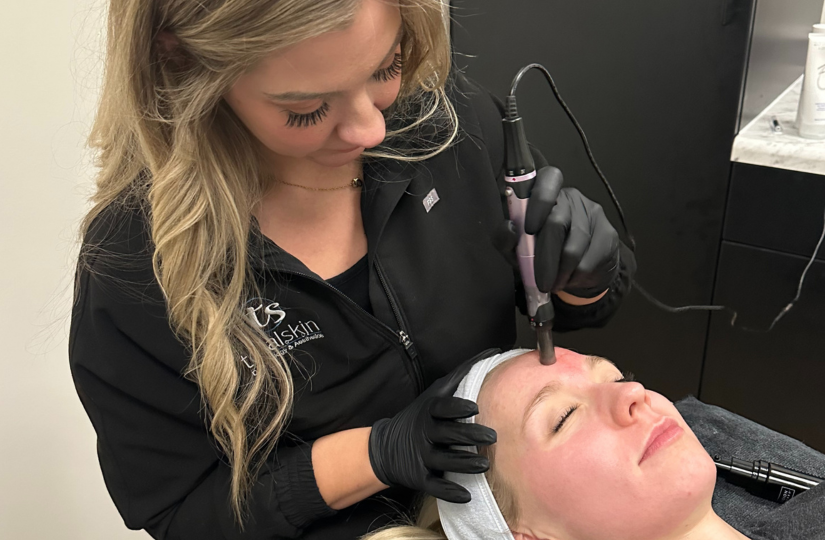
Microneedling is a minimally invasive skin rejuvenation treatment that uses tiny needles to create controlled micro-injuries in the skin. These microscopic channels trigger your body’s natural healing response and stimulate the production of collagen and elastin — two proteins responsible for firm, youthful-looking skin.
Microneedling is commonly used to improve:
- Fine lines and wrinkles
- Acne scars
- Enlarged pores
- Uneven skin texture
- Mild skin laxity
- Sun damage
- Stretch marks
- Dull or aging skin
Most patients notice gradual improvements in skin smoothness, brightness, firmness, and overall texture over several weeks as collagen production increases.
What Is SkinPen Microneedling?
SkinPen is the first FDA-cleared microneedling device designed to safely stimulate collagen production through traditional microneedling. Unlike RF microneedling, SkinPen uses mechanical needles only — no added heat or radiofrequency energy.
During treatment, the device creates thousands of tiny microchannels in the skin. This encourages your body to repair itself naturally, resulting in smoother, healthier-looking skin.
SkinPen Is Often Best For:
- Mild to moderate acne scarring
- Fine lines and early aging
- Uneven texture
- Enlarged pores
- Dull skin tone
- Preventative anti-aging treatments
Because SkinPen does not use heat, it is often considered gentler and may be a better option for patients with sensitive skin or those wanting minimal downtime.
Typical SkinPen Results
Patients often notice:
- Softer acne scars
- Brighter complexion
- Improved texture
- Smoother skin
- A healthy glow
Results develop gradually over several weeks and improve with a series of treatments. Most patients benefit from 3–6 sessions spaced about 4–6 weeks apart.
SkinPen Downtime
Downtime is usually mild:
- Redness similar to a mild sunburn for 24–48 hours
- Mild dryness or flaking
- Minimal interruption to daily activities
Many patients return to work or normal routines within a day or two.
What Is RF Microneedling?
RF microneedling combines traditional microneedling with radiofrequency (RF) energy. As the needles penetrate the skin, heat energy is delivered into deeper layers of tissue to stimulate more intensive collagen remodeling and skin tightening.
This added heat allows RF microneedling to address concerns that traditional microneedling alone may not fully correct.
RF Microneedling Is Often Best For:
- Moderate wrinkles
- Skin laxity
- Crepey skin
- Deeper acne scars
- Jawline definition
- Neck tightening
- Advanced signs of aging
Because RF energy reaches deeper into the dermis, results are often more dramatic — especially when it comes to firming and tightening the skin.
Typical RF Microneedling Results
Patients commonly see:
- Firmer skin
- Improved elasticity
- Smoother texture
- Reduction in acne scarring
- Mild lifting and tightening
- More refined pores
Collagen remodeling continues for several months after treatment, meaning results improve over time.
RF Microneedling Downtime
Downtime is slightly longer than traditional microneedling and may include:
- Redness and swelling for 2–5 days
- Mild sensitivity
- Pinpoint scabbing
- Temporary warmth in the skin
Because RF microneedling is a more intensive treatment, recovery can vary depending on treatment depth and skin sensitivity.
SkinPen vs. RF Microneedling: What’s the Difference?
| Feature | SkinPen Microneedling | RF Microneedling |
|---|---|---|
| Technology | Mechanical microneedling only | Microneedling + radiofrequency heat |
| Main Goal | Texture improvement & collagen stimulation | Skin tightening & collagen remodeling |
| Best For | Fine lines, pores, mild scars | Laxity, deeper wrinkles, deeper scars |
| Downtime | Minimal | Moderate |
| Pain Level | Mild | Moderate |
| Skin Tightening | Mild | More significant |
| Cost | Typically lower | Typically higher |
| Recovery Time | 1–2 days | 3–5 days |
| Results | Gradual and natural | More dramatic tightening |
Which Treatment Is Better?
Neither treatment is universally “better” — it depends entirely on your skin concerns and goals.
SkinPen may be the ideal option if you:
- Want preventative anti-aging treatments
- Have mild acne scars or texture concerns
- Prefer minimal downtime
- Have sensitive skin
- Want a gentler collagen-stimulating treatment
RF microneedling may be the better fit if you:
- Want firmer, tighter skin
- Have moderate skin laxity
- Are targeting deeper wrinkles or acne scars
- Want more aggressive collagen stimulation
- Are comfortable with slightly longer downtime
At Total Skin Dermatology & Aesthetics, treatment recommendations are always personalized. During your consultation, our providers evaluate your skin concerns, goals, lifestyle, and comfort level to determine the best approach for your skin.
How Many Microneedling Treatments Will I Need?
Most patients need a series of treatments for optimal results.
Typical treatment plans include:
- 3–6 sessions
- Spaced 4–6 weeks apart
- Maintenance treatments once or twice yearly
The number of sessions depends on factors like:
- Acne scar severity
- Skin laxity
- Age
- Collagen loss
- Desired results
Because collagen production takes time, improvements continue developing for weeks or months after treatment.
Are Microneedling Treatments Safe?
When performed by trained medical professionals using FDA-cleared devices, microneedling treatments are generally considered safe and effective.
However, provider experience matters — especially with RF microneedling, which uses heat energy at deeper skin levels. Choosing a qualified provider helps minimize risks and ensures appropriate treatment settings for your skin type and concerns.
Aftercare is also important. Patients should:
- Avoid direct sun exposure
- Use gentle skincare
- Wear SPF daily
- Follow post-treatment instructions carefully
Final Thoughts
Both SkinPen and RF microneedling are excellent collagen-stimulating treatments that can dramatically improve the appearance and health of your skin.
SkinPen is ideal for improving texture, glow, mild scarring, and early signs of aging with little downtime. RF microneedling takes skin rejuvenation a step further by combining collagen stimulation with skin tightening and deeper remodeling.
The best treatment for you depends on your unique skin goals, concerns, and desired results.
If you’re unsure which option is right for your skin, the team at Total Skin Dermatology & Aesthetics can help create a personalized treatment plan designed around your goals.
Ready to refresh your skin? Schedule a consultation today to learn whether SkinPen or RF microneedling is the best fit for you.
FAQs
What is the difference between SkinPen and RF microneedling?
SkinPen uses tiny needles to stimulate collagen production, while RF microneedling adds radiofrequency heat energy for deeper skin tightening and rejuvenation.
Which is better for acne scars?
RF microneedling is often better for deeper acne scars, while SkinPen can improve mild to moderate scarring and texture concerns.
How long do microneedling results last?
Results can last several months to a year depending on skincare, aging, and maintenance treatments.
Does RF microneedling hurt more than SkinPen?
RF microneedling is generally more intense, but topical numbing cream helps minimize discomfort.